
How do I get support from work after a bereavement?

Telling work about a bereavement
If you think the bereavement will affect your performance at work, or you need time off, it is important to tell your line manager or HR department as soon as possible. Even though this may seem difficult, the earlier you manage their expectations, adjustments can be put in place to ensure you’re supported throughout the bereavement.
You do not have to disclose any details of your loss. However, any information you do give to your employer, means they can offer specific support for your individual needs. Do not feel like a burden for communicating these compassionate changes you need while you grieve.
How long should you have off work after a bereavement?
One question we’re often asked is: ‘How long should I take off work after a bereavement?'”
But the truth is, there’s no right answer. Grief doesn’t follow a schedule. Everyone’s grieving time is different. Some people find work gives them routine and a helpful distraction. Others need more time before they’re ready to return.
Be patient with yourself. Returning to work isn’t about getting back to normal, it’s about finding a new normal after loss.
Things to consider when asking for bereavement leave:
- Having time to sort out any legal documents and registering the death, and planning funeral arrangements
- Having time off on the date of the funeral
- You may need to support family and friends through the bereavement
- Your own grieving period
- Managing the will and their estate
You may also consider if your work does paid bereavement leave. Others may have to go back to work sooner for financial reasons. Ask your HR department or line manager about bereavement leave to find out your rights within the organisation you work for. Two weeks is usually the most an employee will take off work for bereavement, but you may need longer.
What adjustments can be made at work for bereavement?
Reaching out for help and requesting adjustments at work can help ease the pressure of taking on full responsibilities whilst going through grief. Every workplace will have different ways of managing employee’s adjustments for bereavement, so keep this in mind when approaching any requests. Nonetheless, employers have a responsibility to ensure your wellbeing is being accommodated for. It’s important to also understand that your employers can deny these requests, but ensure you are aware of your rights within the workplace and company guidelines with adjustments for bereavement.
Bereavement affects both your emotional and physical wellbeing, and you shouldn’t be expected to carry on as though nothing has happened. So if you’re worried about going back, speak to your manager or HR as early as you can. You may be able to request adjustments; such as flexible hours, a phased return, or time working from home. Most importantly, don’t feel guilty for asking for support.
Phased return or flexible working
As mentioned above, you could ask for a phased return or flexible working pattern, if your role accommodates this. A phased return is when your original working hours are reduced, which gradually increase as you feel able to take on more responsibilities at work.
In addition to a phased return to work, you could ask for flexible working. This adjustment will be different for each workplace, depending on the role and what your employers have in place to support employees.
Flexible working can include:
- requesting a laptop to work from home/out of office
- working part time
- delegating tasks to other colleagues whilst you go through grief
Occupational health
Occupational health can give yourself and your employer the appropriate support understanding what specific adjustments you may need. These will be suggested to your manager after you go through an assessment of your mental and physical health. From this you may also receive further support, such as counselling to help you get through the difficult time of bereavement.
Support from a manager and colleague
Although reaching out for help within the workplace can seem daunting, communicating effectively ensures you’ll get the support you need from your line manager and colleagues. Different people will show help in different ways, and your team is there to look out for each other; therefore, it could be beneficial to speak to your line manager and colleagues about ways they could support you to prevent disruptions within the team.
Help for bereavement from a manager or colleague could include:
- Spending your break with someone, such as going for a walk or eating lunch together
- Speaking to someone about your grievance, whether that’s unloading your grief, or just talking about happy memories of your loved one
- Advising colleagues to not acknowledge your loss, and be weary about any conversations that may trigger your grief whilst at work
- Asking to distance yourself from conversations, as socialising may be difficult during this time
- Requesting to include you in general chit chat, because you need to take your mind away from your loss
There is no wrong or right way to approach this situation, methods of coping are different for each individual. Because of this, colleagues may find it uncomfortable to address the situation. Some may be worried about saying something insensitive. Usually, this comes from lack of education on how to handle bereavement. It’s important to keep this in mind by being patient with their reactions. People just want to help one another, and may need guidance on how to approach the act of support.
If you’re not getting support from work
You can speak to a manager or HR department if you’re not getting supported in the workplace for your bereavement. Alternatively, you could get further advice from organisations such as:
See your GP
If work is unable to provide support, or if your loss of a loved one is detrimental to your life outside of work, you could book an appointment with your GP who could refer you to specific bereavement help.
Reach out to your funeral director
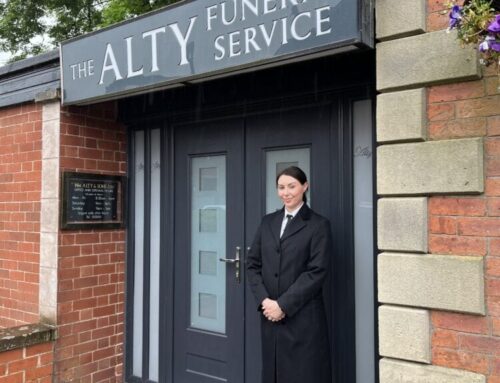
Funeral directors have a level of compassion and experience dealing with bereavement. Therefore, speaking to the funeral director that organsied the service means you can recieve specific guidance. They can refer you to bereavement support and relevant charities to help you through this difficult time.
If you need our help, please contact Wm. Alty & Sons Funeral Service on:
01254 503240 (Blackburn)
01772 428580 (Preston)
We are happy to answer your call 24 hours day, every day of the year.